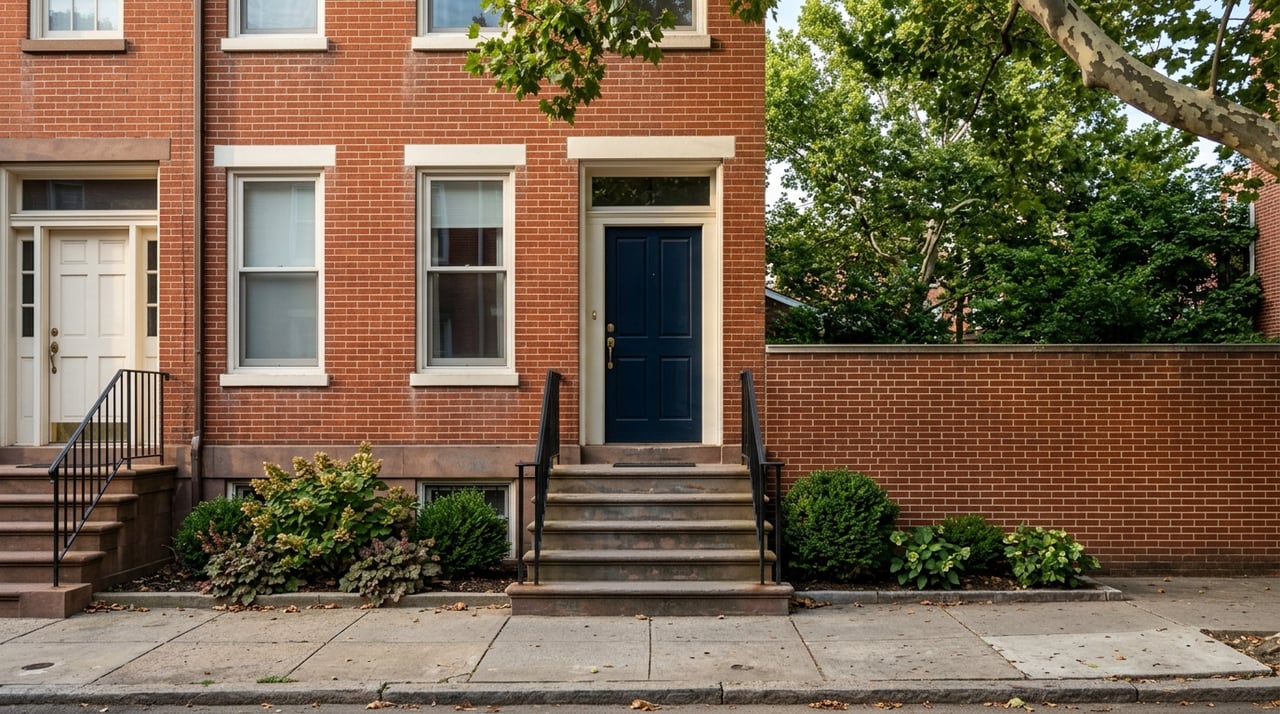
Looking for a D.C. neighborhood that feels both central and grounded? Bloomingdale stands out for exactly that reason. If you are drawn to historic rowhouses, human-scale streets, and a neighborhood rhythm shaped by local gathering spots, this corner of Northwest Washington offers a compelling lifestyle. Here is a closer look at what makes Bloomingdale such a distinctive place to live.
Bloomingdale at a Glance
Bloomingdale is a close-in Northwest DC neighborhood in Ward 5. The Bloomingdale Civic Association generally maps it from Michigan Avenue NW to Florida Avenue NW, and from North Capitol Street NW to 2nd and 3rd Street NW.
Within that larger neighborhood, the historic district is more tightly defined. According to DC planning materials, the district covers 28 blocks and was built almost entirely between 1892 and 1916. That long, concentrated building period helps explain why the area feels visually cohesive and architecturally consistent.
Why Rowhouse Living Defines Bloomingdale
If you picture Bloomingdale, you are most likely picturing rowhouses. The Bloomingdale Historic District guidelines make clear that the neighborhood’s primary housing type is the residential rowhouse, with smaller numbers of apartment buildings and neighborhood-scaled commercial buildings mixed in.
That matters because the built environment shapes daily life. In Bloomingdale, the architecture supports a classic D.C. rowhouse experience centered on stoops, porches, and continuous historic streetscapes rather than large-scale newer development.
The neighborhood also has two broad rowhouse patterns. South of V Street, bay-front houses are especially common. North of V Street, porch-front houses appear more frequently, giving different parts of the neighborhood their own subtle visual rhythm.
The Streetscape Feels Intimate and Historic
Bloomingdale’s appeal is not only about individual homes. It is also about how the blocks come together. Because so much of the neighborhood was developed over a relatively short historic period, the streets feel remarkably intact.
That continuity creates a setting many buyers value, especially if you want a home that is part of a larger architectural story. Mature street trees, noted in the National Register nomination form, also soften the uninterrupted rows of homes and add to the neighborhood’s established feel.
What Day-to-Day Life Feels Like
A neighborhood is more than its housing stock, and Bloomingdale has a clear community framework. The Civic Association describes the neighborhood through the themes of diversity, community, and prosperity, and its mission includes homeowners, renters, transients, and college students.
That broad community focus shows up in practical ways. The association promotes monthly meetings, beautification, cleanup efforts, public safety, and partnerships with local institutions and businesses. For you as a buyer or homeowner, that can translate into a neighborhood that feels engaged and invested in its shared spaces.
Washington.org offers a useful shorthand, describing Bloomingdale as a neighborhood near Shaw with elegant, picturesque rowhouses, acclaimed restaurants, and parks. That combination helps explain why Bloomingdale often appeals to buyers who want both residential character and easy access to city life.
Crispus Attucks Park and Local Open Space
Bloomingdale is a built-out urban neighborhood, so open space is limited. That makes its green spaces feel especially meaningful.
The historic nomination form identifies Crispus Attucks Park as the neighborhood’s only open greensward, with Florida Avenue Park and Reservation 202 adding smaller pockets of open space. Crispus Attucks Park is particularly important in the neighborhood’s identity.
A DC government event page describes Crispus Attucks Park as a private community courtyard in the heart of Bloomingdale, bounded by U and V Streets NW and 1st Street and North Capitol Street NW, and maintained by a nonprofit for the entire community. In practical terms, it functions as a shared gathering place woven into the neighborhood’s daily life.
Weekend Routines in Bloomingdale
If you like neighborhoods with recognizable rituals, Bloomingdale has them. One of the clearest examples is the Bloomingdale Farmers Market, which has served the neighborhood since 2005.
The market is community-run, operates year-round on Sundays from 9 a.m. to 1 p.m., and takes place on the 100 block of R Street NW between 1st Street and Florida Avenue. It also features live music, kids’ events, cooking demonstrations, and creative workshops, which adds to its role as more than a simple shopping stop.
For many buyers, this kind of neighborhood routine is part of the value of urban living. It gives the area a cadence and creates easy ways to feel connected to where you live.
Dining and Everyday Destinations
Bloomingdale also offers a strong lineup of neighborhood anchors. Washington.org highlights several local favorites, including The Red Hen, Big Bear Cafe, and Boundary Stone.
These are not abstract names on a neighborhood list. Their official sites place The Red Hen at 1822 First Street NW, Big Bear Cafe at 1700 1st Street NW, and Boundary Stone at 116 Rhode Island Avenue NW. Together, they help define the neighborhood’s everyday convenience and social texture.
For you, that means Bloomingdale can offer a lifestyle where dining and casual meetups are woven into the neighborhood itself rather than requiring a long trip elsewhere.
Getting Around From Bloomingdale
Location is part of Bloomingdale’s draw. The neighborhood sits in a position that supports access to multiple parts of the city.
According to WMATA station information, stations relevant to Bloomingdale access include Shaw-Howard U on the Green and Yellow lines, NoMa-Gallaudet U on the Red Line, and Rhode Island Ave on the Red Line. Exact travel times depend on your block and route, but the overall takeaway is clear: Bloomingdale is well positioned for broader city access.
That accessibility can be especially appealing if you want a neighborhood with a residential feel without giving up connectivity to downtown and other core DC destinations.
Who Bloomingdale Often Appeals To
Bloomingdale tends to resonate with buyers who value historic architecture and a neighborhood identity that feels established rather than manufactured. If you are drawn to classic D.C. rowhouse living, the area offers one of the city’s more cohesive examples.
It can also appeal if you want a residential setting with local restaurants, community activity, and access to nearby transit options. And because the neighborhood includes some apartment buildings and smaller flats in addition to rowhouses, the housing mix is not entirely one-note, even though the rowhouse remains the defining form.
What to Notice When Touring Homes
When you tour homes in Bloomingdale, it helps to look beyond square footage alone. Pay attention to the relationship between the home and the street, especially porches, stoops, bay fronts, and the continuity of the block.
You may also want to consider where a property sits within the neighborhood’s historic context. Since Bloomingdale’s identity is tied so closely to its intact streetscape, the feel of the immediate block can shape your experience just as much as the interior renovation itself.
For buyers and sellers alike, that is where neighborhood knowledge matters. Understanding how architecture, block character, and location within Bloomingdale come together can help you make a more confident real estate decision.
If you are considering buying or selling in Bloomingdale or another notable D.C. neighborhood, working with an advisor who understands how to position historic urban housing can make a real difference. Connect with Jeff Lockard for thoughtful, strategic guidance tailored to your goals.
FAQs
What is Bloomingdale in Washington, DC known for?
- Bloomingdale is best known for its historic rowhouses, intact streetscapes, neighborhood gathering spots, and a community-oriented feel in close-in Northwest DC.
What type of homes are common in Bloomingdale, DC?
- The neighborhood is defined primarily by residential rowhouses, with bay-front homes more common south of V Street and porch-front homes more common north of V Street, plus some apartment buildings and smaller flats.
Where is Bloomingdale located in Washington, DC?
- The Bloomingdale Civic Association generally places the neighborhood between Michigan Avenue NW and Florida Avenue NW, and between North Capitol Street NW and 2nd and 3rd Street NW.
Does Bloomingdale have parks or green space?
- Yes. Crispus Attucks Park is the neighborhood’s most significant green space, and Florida Avenue Park and Reservation 202 provide additional smaller open spaces.
Is there a farmers market in Bloomingdale, DC?
- Yes. The Bloomingdale Farmers Market is community-run, operates year-round on Sundays from 9 a.m. to 1 p.m., and is located on the 100 block of R Street NW.
What transit options serve Bloomingdale, DC?
- Nearby transit access includes Shaw-Howard U, NoMa-Gallaudet U, and Rhode Island Ave Metro stations, depending on your exact location within the neighborhood.