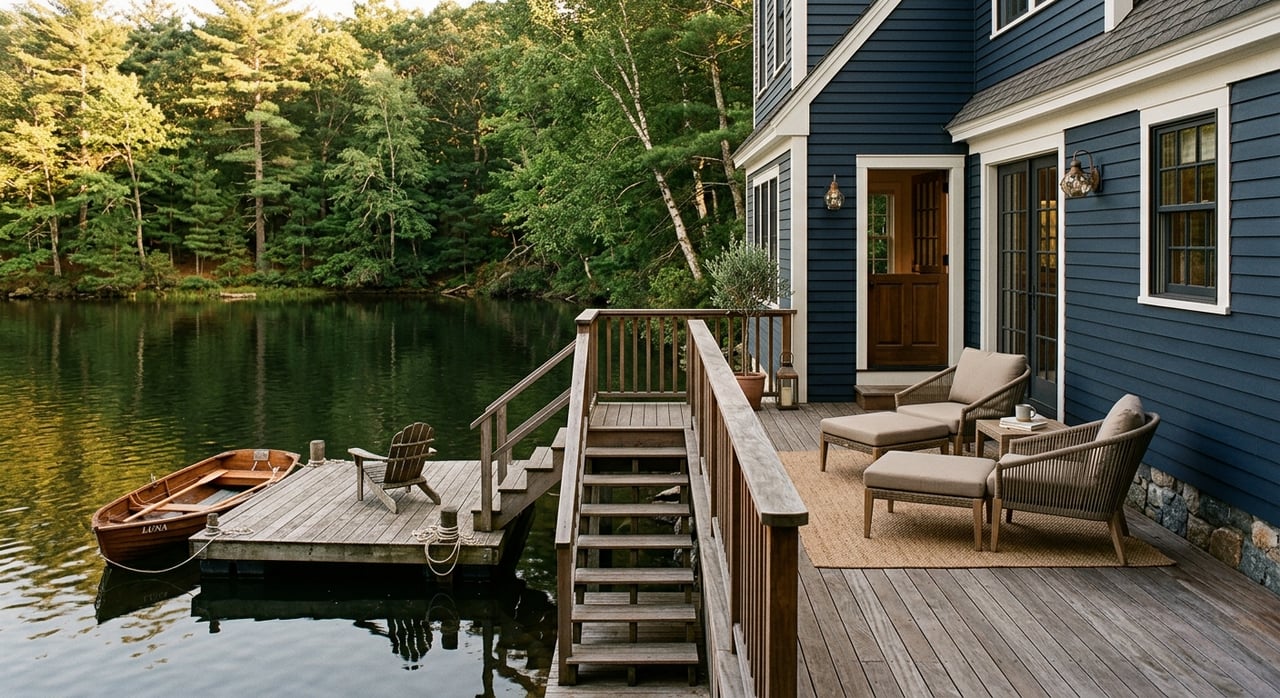
Are you dreaming about a second home where you can spend weekends on the water, walk to dinner, and still feel connected to history and city life? If Annapolis is on your shortlist, you are looking at a market with real lifestyle appeal, but also real waterfront complexity. Before you buy, it helps to understand how dock rights, flood exposure, permitting, and rental rules can shape both your enjoyment and your long-term value. Let’s dive in.
Why Annapolis stands out
Annapolis offers something many second-home markets cannot match. You get a historic waterfront setting, strong boating culture, and access to downtown amenities in one compact, walkable environment.
The city describes Annapolis as a major recreational boating center for the Washington and Baltimore region. It manages public and private moorings, City Dock slips, more than 17 miles of shoreline, and supports an estimated 2,387 marina slips along with about 1,000 private slips at homes and development complexes. For many second-home buyers, that boating infrastructure is a major part of the draw.
You also benefit from a lifestyle that feels active and connected. The harbor includes Ego Alley, where boaters can dock and dine, and many waterfront destinations are close to downtown historic attractions and the Naval Academy. If you want a property that supports both quick getaways and longer seasonal use, Annapolis fits that brief well.
Understand the waterfront market first
A second-home purchase on the water is rarely just about the house itself. In Annapolis, your value often comes from a combination of location, water access, views, and what you are legally allowed to improve over time.
Citywide data suggests a market that remains competitive, though not static. Public market snapshots reported a median sale price of $622,000 with 35 days on market and 4 offers on average, while another March 2026 snapshot showed a median listing price of $649,000, 26 days on market, and 434 active listings. These figures are citywide, not waterfront-only, but they help frame current conditions.
For second-home buyers, that means you should look beyond list price and focus on the total ownership picture. A home with a better dock setup, fewer permitting issues, or clearer documentation may be more valuable than one that simply looks appealing at first glance.
Water access drives value
In Annapolis, water access is one of the biggest value drivers. The reason is simple: marine improvements are regulated, and changes are not always quick or easy.
The city states that work below the mean high tide line requires a building permit. Dredging or filling requires a grading permit, and state and federal approvals may also be required. Marine projects also go before the Port Wardens in a public hearing process, and the city says the full review can take up to three months.
That matters if you are buying a property with plans to add, expand, or modify a pier, lift, bulkhead, or other marine feature. It also matters if you are comparing two homes and one already has documented water access or dock permissions in place.
Questions to ask about dock potential
Before you make an offer, consider asking for clear documentation on:
- Existing dock, slip, or mooring rights
- Prior permits for shoreline or marine improvements
- Any pending or unresolved approval issues
- Whether the current setup matches how you plan to use the water
- Whether future upgrades may trigger additional review
For many buyers, one of the most important practical questions is not just Is this waterfront? but Can I legally use the water the way I want?
Critical Area rules can affect your plans
Many Annapolis waterfront properties are affected by Critical Area regulations. Anne Arundel County defines the Critical Area as land within 1,000 feet inland from tidal waters or wetlands.
Within that area, the 100-foot Buffer generally requires approved variances for disturbance. The expanded buffer can also include steep slopes and other sensitive areas. If you are thinking about landscaping changes, additions, hardscaping, shoreline work, or clearing vegetation, those rules can become very important.
This is one reason second-home buyers should evaluate not just the house, but the lot. A property may offer wonderful views and access, yet still limit what you can alter later.
Why shoreline stewardship matters
Maintenance on the waterfront is not only cosmetic. Anne Arundel County notes that natural vegetation buffers can help protect shorelines from erosion and filter runoff, and approval is required for some soil or vegetation disturbance within the Critical Area buffer.
That means your ownership costs and responsibilities may include more than routine landscaping. It can also affect resale, since future buyers often want a property with a manageable and well-documented shoreline condition.
Historic homes offer charm and review hurdles
If you are drawn to Annapolis for its architecture and historic setting, you are not alone. Historic District homes can be especially appealing as second homes because they offer a sense of place that newer construction often cannot replicate.
That said, exterior changes in the Annapolis Historic District are reviewed by the Historic Preservation Division. The city recommends applying before signing a contract or starting work, which is a useful signal for buyers considering renovation.
In plain terms, a historic waterfront home may bring more review friction if you want to change windows, exterior details, roofing, additions, or other visible elements. For some buyers, that is an easy tradeoff for character. For others, a newer home may be a better fit.
Newer construction still faces floodplain rules
A newer home can provide more flexibility in style and systems, but waterfront construction in Annapolis still has to respond to floodplain requirements. The city says the lowest floor of new work must be at least elevation 8 feet, flood-resistant materials are required, and new basements are prohibited in the floodplain.
Those standards are important if you are buying newer construction, evaluating a major renovation, or thinking about future additions. They can influence design, storage, mechanical placement, and overall project cost.
Flood risk is part of waterfront ownership
Any honest conversation about buying on the Annapolis waterfront has to include flood exposure. The city says nuisance flooding can happen any time of year, with the highest prevalence from March to September.
The lowest-lying areas include downtown City Dock and parts of Eastport near the Severn River, Annapolis Harbor, and Spa Creek. If you are focused on convenience and proximity to downtown or marina activity, that issue deserves careful attention during your search.
Just as important, the city tells homeowners to consider flood insurance because standard homeowners insurance does not cover flood losses. Flood insurance is a separate policy, and flood hazard maps can help you understand the risk profile of a specific property.
What flood risk means for buyers
Flood risk can affect more than insurance. It can shape:
- Ongoing carrying costs
- Renovation options
- Future resale conversations
- Lender requirements in some cases
- Your comfort with seasonal water conditions
For a second home, where you may not be on site every day, understanding flood exposure early is especially important.
City Dock changes are a live issue
If your ideal second home centers on easy access to downtown dockage, pay close attention to current conditions at City Dock. The City Dock Resiliency Project is underway through early 2028.
According to the city, many amenities are suspended, many slips are closed, and some dock utilities are unavailable for the foreseeable future. This is not a distant planning item. It is a current factor that can affect convenience, activity patterns, and expectations for buyers who want immediate transient docking access.
That does not make the area less desirable. It simply means you should buy with clear eyes and an up-to-date understanding of how nearby waterfront access functions today.
Remote buying is very possible
Many second-home buyers start their search from outside the area, and Annapolis offers a practical framework for handling much of the process remotely. The city allows permits and licenses to be submitted through its Citizen Self Service portal, Anne Arundel County allows e-recording for land records, and Maryland law authorizes remote notarization using communication technology.
You can also verify important property information online. Maryland SDAT provides a real-property search database, and local city and county resources allow buyers to review historic district rules, critical-area status, and permit requirements before writing an offer.
For busy or out-of-area buyers, that can make a big difference. It supports a more efficient diligence process, especially when you are trying to narrow a search before traveling for in-person tours.
Rental use is regulated, not automatic
Some second-home buyers want the option to offset carrying costs with short-term rental income. In Annapolis, that use is regulated and should never be assumed.
The city says anyone renting through a hosting platform must register and pay occupancy tax. Anne Arundel County says short-term residential rentals are limited to 120 consecutive days in a calendar year and taxed at 8% of rent. The city also requires annual inspections and a local property manager who lives in the city or has a physical office there.
If rental flexibility matters to you, verify the rules before you buy. A property that works well as a personal retreat may not line up with your rental goals without additional compliance steps.
Budget for layered carrying costs
Waterfront second homes often come with layered ownership expenses, and taxes are one part of that picture. For Annapolis properties, current real-property tax rates are listed as $0.112 state, $0.977 county, and $0.7380 city per $100 of assessed value.
Anne Arundel County also levies a transfer tax of 1.0% up to $999,999.99 and 1.5% at $1 million or more. Recordation tax is $7 per thousand, and the City of Annapolis charges a $50 real-property transfer fee per tax ID and water account.
In some cases, buyers may also see line items such as stormwater, Bay restoration, or special district charges on the property tax bill. When you are budgeting for a second home, it helps to underwrite the full carrying cost, not just the purchase price and mortgage.
What supports stronger resale later
A second home should fit your lifestyle now, but smart buyers also think ahead to resale. In Annapolis, the strongest resale profile often comes from properties with fewer unanswered questions.
In practical terms, that usually means a home with documented water rights or dock permissions, clear permit history, manageable flood exposure, and no unresolved historic or Critical Area issues. These factors can reduce future buyer friction and make the next transaction smoother.
A smart second-home checklist
As you compare waterfront options, focus on these key items:
- Can you legally use the water the way you want?
- What flood exposure comes with the property?
- What approvals would future improvements require?
- Is there a clear permit and ownership paper trail?
- If rental use matters, what local compliance steps apply?
- Are current carrying costs realistic for your planned use?
The best second-home purchase is not always the one with the flashiest view. Often, it is the one that balances lifestyle, clarity, and long-term flexibility.
If you are considering a second home on the Annapolis waterfront, the right guidance can help you weigh beauty, boating access, and ownership realities with confidence. For a discreet, informed approach to Annapolis waterfront opportunities, connect with Jeff Lockard.
FAQs
What makes Annapolis appealing for a second waterfront home?
- Annapolis combines a historic downtown setting, strong boating infrastructure, waterfront dining access, and proximity to major regional population centers, making it attractive for weekend and seasonal use.
What should you verify before buying an Annapolis waterfront property?
- You should verify dock or water rights, prior marine permits, flood exposure, Critical Area status, historic district review requirements, and whether the property supports your intended use.
What are the flood concerns for Annapolis waterfront buyers?
- The city says nuisance flooding can occur year-round and is most common from March to September, with low-lying areas including City Dock and parts of Eastport, and flood insurance is separate from homeowners insurance.
What are the rules for improving docks or shoreline features in Annapolis?
- The city states that work below the mean high tide line requires a building permit, dredging or filling requires a grading permit, other approvals may be needed, and Port Wardens review marine projects through a public process.
Can you use an Annapolis second home as a short-term rental?
- Short-term rental use is regulated, and the city and county require registration, taxes, inspections, and a local property manager, with county limits that apply to short-term residential rentals.
Can you buy an Annapolis second home remotely?
- Yes, much of the process can be handled digitally through local permitting systems, e-recording options, online property research tools, and Maryland’s authorization for remote notarization.