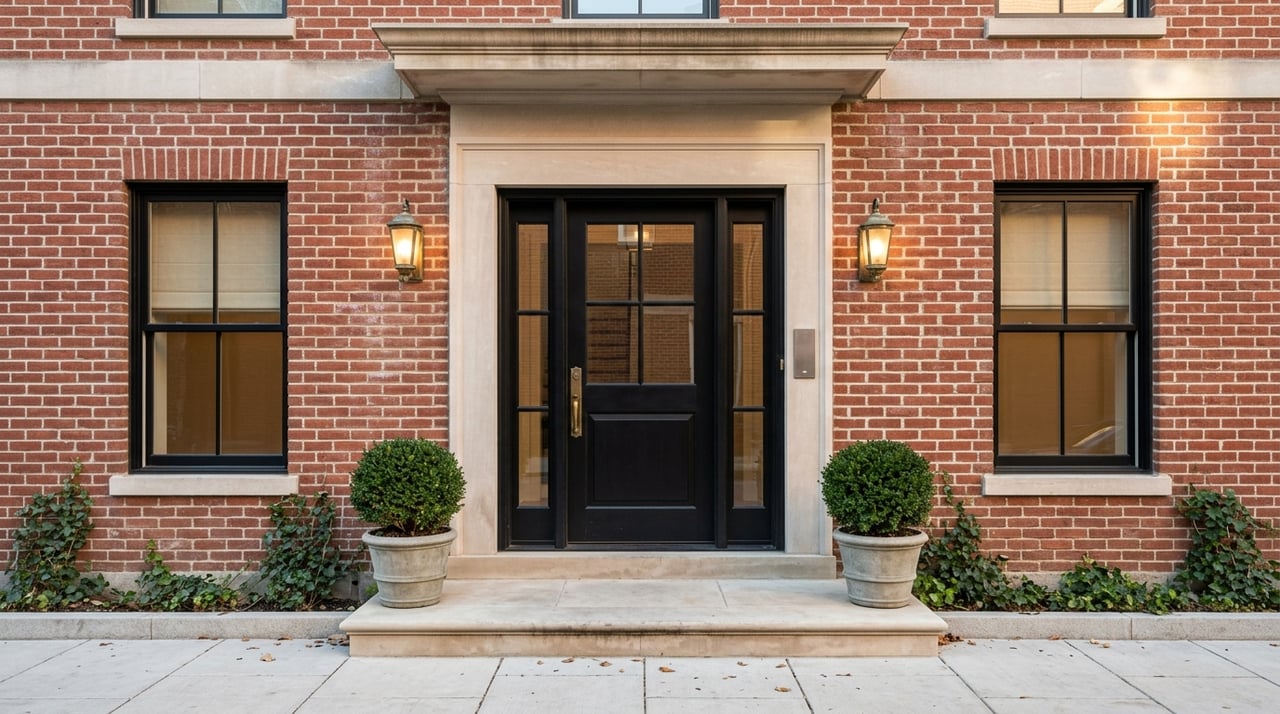
Wondering whether a Kalorama condo or co-op is the smarter buy? In this part of Washington, D.C., the answer is rarely simple because the building, the rules, and the monthly cost structure can matter as much as the address itself. If you are comparing ownership options in one of the city’s most established residential enclaves, this guide will help you understand how condos and co-ops really differ in Kalorama, and what to examine before you commit. Let’s dive in.
Why Kalorama Makes This Comparison Different
Kalorama’s housing stock is shaped by two adjacent historic districts: Kalorama Triangle and Sheridan-Kalorama. The District describes Kalorama Triangle as a neighborhood of spacious rowhouses and large early-20th-century apartment buildings, while Sheridan-Kalorama is known for early-20th-century residential architecture with sophisticated design.
That context matters because many buildings here are older, architecturally significant, and subject to preservation review for certain exterior changes. In practice, that means your ownership experience may be influenced not just by whether a property is a condo or co-op, but by the age of the building, the condition of its systems, and how well the building has planned for long-term maintenance.
Condo vs. Co-Op Ownership
How condo ownership works
With a condo, you own your individual unit and share ownership of common elements with other owners in the building. Monthly condo fees typically help cover exterior maintenance, common areas, reserve funding, and often utilities like water, sewer, and trash.
This is the ownership model many buyers find more familiar. You hold title to your unit, and the financing process usually follows the more standard path for a deeded property, even though the building itself may still need to meet lender review requirements.
How co-op ownership works
With a co-op, a cooperative corporation owns the real estate. Instead of owning a deeded unit, you own shares or a membership interest in the corporation and receive the right to occupy a unit through a proprietary lease or occupancy agreement.
That difference changes more than the paperwork. It affects financing, monthly charges, resale, and often the building’s approval process for new residents.
Monthly Costs Are Not Apples to Apples
One of the biggest points of confusion in Kalorama is the monthly payment comparison. A condo fee and a co-op fee may look similar at first glance, but they are often built very differently.
In a condo, you will usually see separate line items for your mortgage, property taxes, insurance, and condo fee. In a co-op, the monthly carrying charge can include the building’s blanket mortgage, real estate taxes, operating expenses, maintenance costs, and sometimes special assessments.
So if a co-op’s monthly charge looks high, that does not automatically mean it is the more expensive option overall. The better question is: what is included, what is separate, and what future costs could still be coming?
Financing in Kalorama: What Changes
Condo financing tends to be simpler
For many buyers, condos offer a cleaner financing path because the ownership structure is more familiar. You are financing a deeded unit, and that tends to widen the buyer pool later when it is time to resell.
That said, the building still matters. Project-level underwriting can affect whether financing moves smoothly, so the condition and financial health of the association remain important.
Co-op financing has added layers
Co-op financing is different because the loan is secured by shares and occupancy rights rather than a standard deeded-unit mortgage. Fannie Mae also applies a more specific approval framework to co-op share loans.
For you as a buyer, that means the building’s documents, finances, and approval process can have an even greater impact. In practical terms, co-ops often work best for buyers who are comfortable with a more specialized process and possible board review.
Leasing Rules and Building Culture
If future flexibility matters to you, pay close attention to rental rules. In D.C., condo associations may reasonably restrict leasing, and co-ops often have even more direct control over occupancy and subletting through proprietary lease terms and board approval.
That often makes co-ops appealing to buyers who value a more controlled owner-occupant culture. At the same time, condos may be a better fit if you want more transferability and potentially fewer approval hurdles.
It is also worth noting that privacy is not determined by the label alone. A small condo building with low turnover can feel more private than a larger co-op, while a well-run co-op with strict occupancy rules may feel quieter and more consistent than a condo with more rental activity.
Renovation in Historic Kalorama
Exterior changes face review
In Kalorama, historic-district rules are often central to the ownership experience. Exterior work affecting historic property is reviewed through the District’s normal permit process, and that can include front alterations, window replacement, door replacement, visible roof additions or decks, and major additions.
This is an important point for buyers who plan to personalize a home. If your vision includes visible exterior updates, you will want to understand the review path before you buy.
Interior work is often more flexible
The good news is that interior alterations and non-structural interior demolition generally do not require the same preservation review. That can give you more room to update kitchens, baths, finishes, and layouts, depending on the scope of work.
Also, not every preservation matter turns into a lengthy process. The District notes that more than 95 percent of preservation-review permit applications are handled through expedited review.
Historic rules apply to both types
Here is the key takeaway: historic review is based on the building, not whether you own a condo or co-op. If two homes sit in the same Kalorama historic district, they face the same basic preservation framework for exterior work.
That is why it is so important to evaluate the specific building rather than rely on assumptions about the ownership type.
What Matters Most for Long-Term Value
In a neighborhood like Kalorama, long-term value is often tied to scarcity, preservation quality, association health, and buyer pool. A beautiful address alone is not enough.
For condos especially, D.C. resale disclosures can reveal critical details such as reserves, planned capital expenditures, pending lawsuits, insurance, and remaining lease term if applicable. Fannie Mae also advises buyers to look closely at physical condition, financial stability, outstanding debts, inspections, and reserve adequacy.
In older Kalorama buildings, those details matter even more. Deferred maintenance or weak reserves can lead to future assessments, create financing issues, or affect buyer confidence when you eventually sell.
Which Option Fits You Best?
A condo may be the better fit if you want:
- Deeded ownership
- More familiar financing
- A broader potential resale audience
- Fewer approval hurdles in many cases
A co-op may be the better fit if you want:
- A more controlled owner-occupant environment
- Stronger building oversight of occupancy or subletting
- Comfort with board approval and share ownership
- A building culture that may place a premium on consistency and screening
There is no universal winner in Kalorama. The better choice depends on how you weigh flexibility, control, financing complexity, and the specific health of the building.
Due Diligence Questions to Ask
Before you move forward with either a condo or co-op in Kalorama, focus on the building-level questions that affect your day-to-day experience and long-term cost.
- How strong are the reserves?
- Are there any planned capital projects?
- Have there been recent or expected special assessments?
- What are the leasing or subletting rules?
- Is board approval required?
- What exterior changes may trigger historic review?
- How much has the building invested in maintenance over time?
These questions often tell you more than the monthly fee alone. In a historic, high-value neighborhood, disciplined building management can make a real difference in comfort, resale, and financial predictability.
If you are weighing a condo against a co-op in Kalorama, the smartest move is to compare not just the residence, but the full ownership experience. With the right guidance, you can read past the headline numbers, understand the building culture, and choose the structure that best fits your goals now and later. When you are ready for tailored advice on high-value Washington properties, connect with Jeff Lockard.
FAQs
What is the main ownership difference between a Kalorama condo and co-op?
- A condo gives you deeded ownership of an individual unit, while a co-op gives you shares or a membership interest in a corporation that owns the building, along with occupancy rights to a unit.
What do monthly fees usually include in a Kalorama condo?
- Condo fees generally cover common-area operations, exterior maintenance, reserve funding, and often utilities such as water, sewer, and trash, while your mortgage, taxes, and insurance are usually separate.
What do monthly charges usually include in a Kalorama co-op?
- Co-op carrying charges can include the building’s blanket mortgage, real estate taxes, operating expenses, maintenance costs, and sometimes special assessments, which is why the monthly number may look different from a condo.
Can you rent out a condo or co-op in Kalorama later?
- Possibly, but you need to review the building rules carefully because D.C. condo associations may reasonably restrict leasing, and co-ops often have even more control over subletting and occupancy through board approval and proprietary lease terms.
Do historic-district rules affect condos and co-ops differently in Kalorama?
- No. Historic review applies to the building and the nature of the exterior work, not the ownership type, so a condo and co-op in the same historic district face the same preservation framework for exterior changes.
Is interior renovation easier than exterior renovation in Kalorama?
- Generally yes, because interior alterations and non-structural interior demolition usually do not require the same preservation review, while visible exterior changes often do.
Which is usually easier to resell in Kalorama: a condo or a co-op?
- In many cases, condos appeal to a broader buyer pool because the ownership and financing structure is more familiar, while co-ops can narrow the pool through share-loan requirements and board approval processes.
What should you review before buying in an older Kalorama building?
- Focus on reserves, capital plans, special assessments, insurance, financial stability, pending litigation, rental rules, and the building’s overall maintenance history.