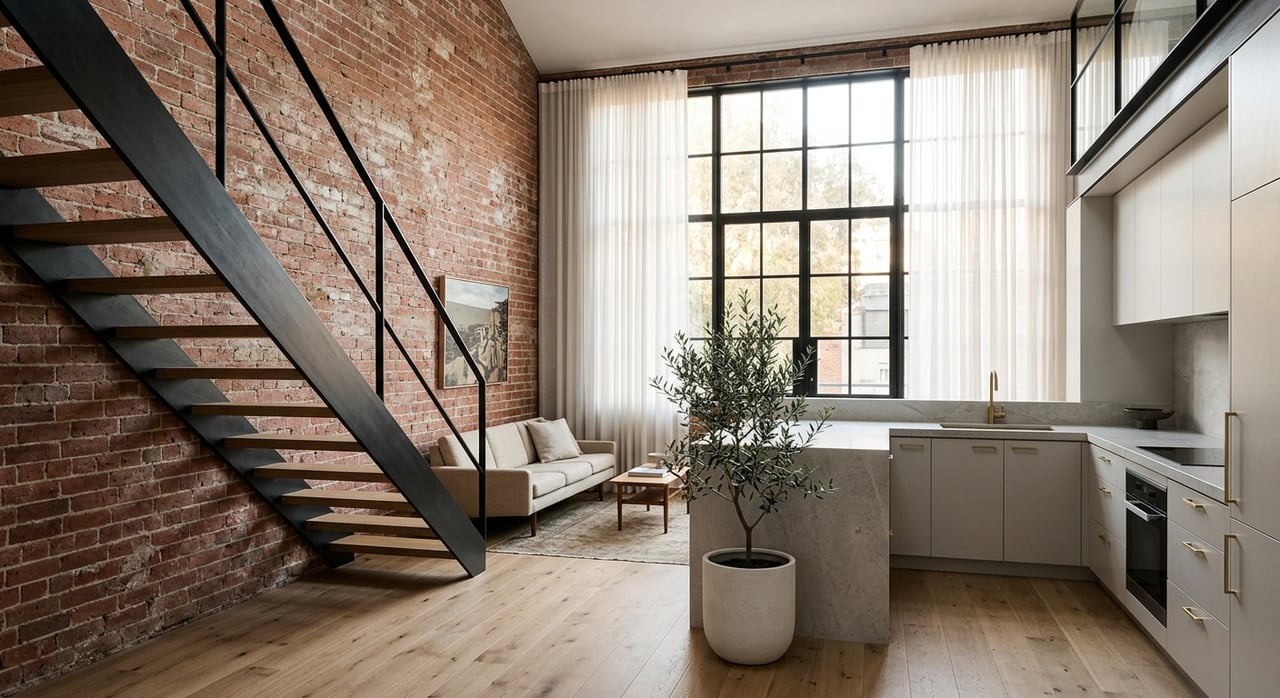
If you are torn between a classic Logan Circle rowhouse and a modern loft, you are not alone. Buyers in 20005 often want both: historic character and easier living, more space and less upkeep, private outdoor room and polished shared amenities. This guide will help you compare how rowhouses and lofts actually function in Logan Circle so you can choose with more clarity and confidence. Let’s dive in.
Why Logan Circle draws modern buyers
Logan Circle has a strong historic core, but it is not a one-note housing market. The Logan Circle Historic District was designated in 1972, and its period of significance runs from 1875 to 1900, which helps explain the neighborhood’s many three- and four-story brick and stone rowhouses.
At the same time, the area has evolved into a mixed housing stock that now includes restored townhouses, condo conversions, boutique loft buildings, and newer condominium projects. That blend gives you options if you want a home that feels architecturally rooted but still suits a modern lifestyle.
The neighborhood plan also points to varied housing, strong public transportation access, and active commercial corridors as key drivers of demand. In practical terms, that means you are looking at a central DC location with multiple housing formats and a built-in lifestyle appeal tied to 14th Street, U Street, P Street, 11th Street, 9th Street, and parts of Rhode Island Avenue.
Logan Circle rowhouses at a glance
Rowhouses in Logan Circle often appeal to buyers who want space, character, and a stronger sense of ownership over the property itself. Many follow a familiar local pattern: vertical living across multiple levels, larger room counts, and original architectural details paired with thoughtful renovation.
Recent examples in the neighborhood show what that can look like in real life. One restored townhouse on Vermont Avenue offered nearly 3,000 square feet, 10-foot ceilings, original pocket doors, and a front garden, while examples on Kingman Place featured private patios, finished lower levels, and even private parking.
What rowhouses tend to offer
For many buyers, the biggest draw is flexibility. A rowhouse often gives you more room to spread out, more separation between living spaces, and more opportunity to tailor the home over time.
Common advantages include:
- More square footage across multiple floors
- Historic details such as tall ceilings and original interior elements
- Direct street entry
- Better odds of private outdoor space
- Potential features like lower-level flex space or off-street parking
That package can be especially appealing if you want a home that feels distinctive and can evolve with your needs.
Logan Circle lofts at a glance
Lofts and loft-style condos in Logan Circle serve a different kind of buyer. In the current sample of properties, these homes tend to be smaller and more open than rowhouses, with the tradeoff shifting toward ceiling height, windows, shared amenities, and building services.
Examples in the neighborhood show that range clearly. Rainbow Lofts has offered exposed brick, 12.5-foot concrete barrel ceilings, elevator access, parking, and a rooftop deck, while buildings such as The Radius, The Alta, and Lofts 14 show the appeal of open plans, large windows, front desk staffing, concierge-style services, fitness amenities, and rooftop terraces.
What lofts tend to offer
If your priority is a design-forward home with less day-to-day exterior responsibility, a loft may be the better fit. Many buyers are drawn to the turnkey feel and cleaner maintenance profile.
Common advantages include:
- Open floor plans
- Large windows and taller ceilings
- Elevator access in many buildings
- Shared amenities such as roof decks, fitness rooms, or staffed desks
- Building services that can simplify daily ownership
For a time-constrained buyer, that lower-touch setup can be a real advantage.
Rowhouse vs loft: the daily living tradeoff
The real decision often comes down to how you want to live, not just what looks best in listing photos. Both property types can work beautifully in Logan Circle, but they support different routines.
Space and layout
Rowhouses usually win on raw square footage and room count. If you need more defined spaces for working from home, hosting guests, or separating living and sleeping areas, the multi-level layout can be a strong plus.
Lofts tend to favor openness over separation. That can feel airy and stylish, but it may offer less privacy within the unit and fewer options for closed-off rooms.
Outdoor space
If private outdoor space matters, rowhouses usually have the edge. Recent neighborhood examples include front gardens, brick patios, and back gardens with flagstone patios and privacy fencing.
Lofts more often substitute balconies, shared roof decks, or shared terraces for private ground-level outdoor space. That can still be attractive, but it is a different experience from having your own garden or patio.
Privacy and access
Rowhouses often provide direct street entry and fewer shared circulation spaces. If you value coming and going without elevators, shared lobbies, or common hallways, that may feel more comfortable.
Loft buildings introduce shared hallways, elevators, and amenities, but they may reduce the amount of hands-on upkeep you manage yourself. For some buyers, that is an easy trade.
What historic rules mean for buyers
In Logan Circle, architecture is part of the value proposition, but it also shapes what you can change. Because the neighborhood sits within a historic district, exterior work on historic properties may be subject to review.
The District’s preservation process generally does not review interior alterations and non-structural interior demolition. Exterior alterations, however, are a different story, especially if the work affects visible historic character.
Changes that may trigger more review
For rowhouse buyers, it is important to understand that the following can require fuller review:
- Front alterations
- Visible side alterations
- Window replacement
- Door replacement
- Porch reconstruction
- Roof decks
- Penthouses
- Solar panels
Smaller or in-kind repair work may be approved more easily, and minor work that does not affect historic character can receive expedited clearance.
Changes that may be easier to handle
Some rear improvements are often more straightforward when they are not prominent from the street. These may include:
- Rear-yard patios
- Terraces
- First-floor decks
- Alley parking pads
If you are comparing a rowhouse with renovation potential against a turnkey loft, this is one of the most important practical distinctions to keep in mind.
Renovation and maintenance considerations
Many Logan Circle rowhouses were built between 1875 and 1900, which means many are also pre-1978 housing. That matters because renovation work that disturbs painted surfaces in pre-1978 housing requires paid contractors to be certified and use lead-safe work practices.
For you as a buyer, that can make exterior painting, window work, and larger renovation projects more document-heavy and schedule-sensitive than expected. It does not mean these projects are impossible, but it does mean they may require more planning.
Lofts and condo conversions can reduce some of that complexity, especially if much of the building envelope and common systems are already managed at the building level. Still, resale performance and ownership experience can be more building-specific, so the details of management and condition matter.
Which property type fits your goals?
There is no universal winner in Logan Circle. The better choice depends on whether you value scarcity and customization more, or convenience and building services more.
A rowhouse may fit best if you want
- Historic character with room to personalize
- More square footage
- Private outdoor space
- Direct entry and fewer shared spaces
- Long-term upside tied to scarce historic housing stock
The long-run case for rowhouses is closely tied to scarcity. Logan Circle’s protected historic fabric, central location, and established commercial corridors can support a location-and-character premium for well-renovated properties.
A loft may fit best if you want
- A smaller, more open footprint
- Design-forward interiors
- Shared amenities and staffed services
- Less hands-on exterior upkeep
- A more turnkey ownership experience
Lofts can also perform well, especially for buyers who value convenience and modern building features. The key is that resale tends to be more building-specific, so floor plan, management, parking, and amenities can have an outsized impact.
What current market context suggests
Recent neighborhood data show Logan Circle as somewhat competitive. In May 2026, the median sale price was $819,724, average days on market were 61, and homes sold for about 1% below list price on average.
That market snapshot suggests room for nuance. Not every home is moving on the same timeline, and pricing can vary meaningfully based on block, renovation quality, parking, floor plan, and the strength of a condo building’s management and services.
For a buyer, that means product selection matters. A polished rowhouse with compelling outdoor space and parking may sit in a different demand lane than a smaller loft unit in a building where amenities and layout do most of the selling.
How to shop smart in Logan Circle
When you tour rowhouses and lofts, it helps to compare them through the lens of your actual routine rather than broad assumptions. The most satisfying purchase is usually the one that aligns with how you want to live five days a week, not just how the home looks on day one.
A practical checklist can help:
- Compare usable space, not just total square footage
- Note whether outdoor space is private or shared
- Ask which future upgrades may face historic review
- Weigh privacy against building services
- Look closely at parking, storage, and lower-level flexibility
- For lofts, pay attention to management, amenities, and building-specific appeal
In a neighborhood as layered as Logan Circle, details matter. The right advice can help you separate surface-level charm from lasting value.
If you are weighing a historic rowhouse against a modern loft in Logan Circle, a well-informed strategy can save time and sharpen your decision. For tailored guidance on high-value DC properties and a more curated buying experience, connect with Jeff Lockard.
FAQs
What makes Logan Circle rowhouses different from lofts?
- Rowhouses in Logan Circle typically offer more square footage, multiple levels, direct entry, and better odds of private outdoor space, while lofts usually offer more open layouts, larger windows, taller ceilings, and shared building amenities.
What should buyers know about historic rules in Logan Circle?
- Buyers should know that interior alterations are generally not subject to historic-preservation review, but many exterior changes to historic properties, including windows, doors, porches, and roof decks, may require review.
What kind of outdoor space is common in Logan Circle homes?
- Rowhouses more often include private features such as front gardens, brick patios, or rear patios, while lofts more often offer balconies, rooftop decks, or shared terraces.
What is the current Logan Circle market like for buyers?
- Recent data show Logan Circle as somewhat competitive, with a median sale price of $819,724 in May 2026, average days on market of 61, and average sales at about 1% below list price.
Which Logan Circle property type is better for a lower-maintenance lifestyle?
- A loft is often the better fit for buyers who want lower-touch ownership because many buildings offer shared services, amenities, and less direct responsibility for exterior upkeep.