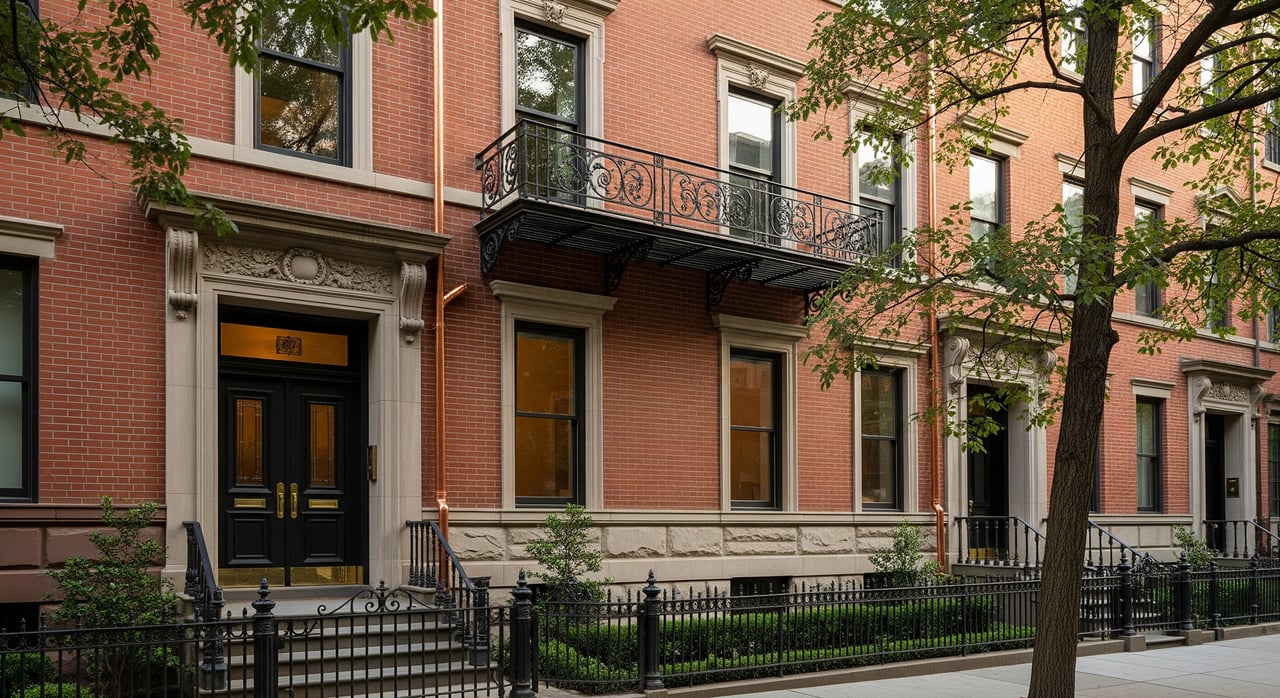
If you love Kalorama’s pre‑war character, you also know it comes with unique responsibilities. Between historic‑district review, older building systems, and nuanced insurance, a little planning can save you time and money. This guide gives you a clear path to assess risk, protect your budget, and negotiate with confidence when buying or selling in Sheridan‑Kalorama or Kalorama Triangle. Let’s dive in.
Why pre‑war Kalorama is unique
Kalorama includes two historic districts with a high concentration of pre‑World‑War‑II buildings and diplomatic properties. Buildings often feature load‑bearing masonry, historic wood framing, original windows, and older mechanical and electrical systems. Those details add charm, but they also influence permits, code triggers, and insurability. For historic context and district boundaries, review the DC Office of Planning’s overview of the Sheridan‑Kalorama Historic District.
Master policy vs HO‑6
If you are purchasing a condo or co‑op, the association typically insures the structure and common areas under a master policy, while you carry an HO‑6 policy for your unit. The master policy type (bare walls vs all‑in) determines how much interior coverage you need. Always request the certificate and the full policy to confirm coverages, deductibles, and whether ordinance or law and special assessments are included. For a clear primer on responsibilities, see this overview of condo and co‑op insurance basics.
Underwriting red flags to expect
Insurers pay close attention to four systems in older homes: roof, electrical, plumbing, and HVAC. Common issues include knob‑and‑tube wiring, obsolete panels, aging roofs, galvanized or polybutylene plumbing, and older boilers. Many carriers request a focused 4‑point inspection and may require repairs before binding coverage. Understanding these norms helps you plan upgrades and negotiate credits. Learn what carriers often flag in older‑home underwriting.
Codes that can change your budget
DC uses locally amended construction codes, and the edition that applies is tied to the permit date. Renovations can trigger portions of the Existing Building Code, which may require system upgrades when work is substantial. Verify code editions and permit requirements with the DC Construction Codes guidance before you budget.
Historic review and permits
Exterior work visible from public space on designated properties typically requires historic‑preservation review. Minor, compatible repairs may receive expedited clearance, while larger changes go to the Historic Preservation Review Board. Historic clearance is part of the Department of Buildings permit process, so plan for added review time. Start with DC’s guidance on building permits for historic properties.
Life‑safety upgrades
Expect modern life‑safety requirements when you open walls or complete major alterations. DC requires smoke alarms on each story and in sleeping rooms, and carbon monoxide alarms where a CO source exists. Newer work often requires hardwired, interconnected alarms. Review the city’s smoke and CO alarm guidance. For larger renovations, portions of the Existing Building Code can require fire sprinklers in certain residential occupancies during Level‑3 alterations. See the rule on fire protection triggers for Level‑3 alterations.
Protect yourself with the right coverage
Standard policies restore damaged areas but often do not pay for code‑required upgrades to undamaged portions. Adding ordinance or law coverage can cover those increased costs after a covered loss, which is especially relevant in historic districts. For a consumer‑friendly explanation, review this guide to ordinance or law coverage. If flood is a concern for a particular parcel, remember flood is excluded from standard policies. NFIP policies include a separate Increased Cost of Compliance benefit that can help with code compliance after certain flood losses. Explore FEMA’s summary of ICC coverage.
Smart due diligence steps
Use inspections and records to quantify risk early. Consider this short list:
- Full home inspection plus targeted specialists as needed: structural engineer, licensed electrician, plumbing and sewer‑scope, chimney, pest, and HVAC.
- Ask for a 4‑point style assessment of roof, electrical, plumbing, and HVAC to anticipate insurer requirements.
- For condos and co‑ops, obtain the master policy, certificate of insurance, bylaws, recent meeting minutes, and the most recent reserve study. Confirm policy type and ordinance or law limits.
- Review mandatory sales disclosures. DC sellers must complete a Real Property Seller’s Disclosure; for pre‑1978 properties, lead‑paint disclosures are required. Get familiar with DC seller disclosure requirements.
- If you plan renovations, confirm whether your scope could trigger life‑safety upgrades or HPRB review.
Mitigation before you list
If you are selling, addressing known hazards up front can reduce surprises and improve insurability. Consider replacing obsolete electrical panels or knob‑and‑tube wiring, repairing older roofs, and documenting boiler or plumbing updates. Keep permit histories, inspection reports, and HPO approvals organized for buyers and insurers. Be mindful that exterior material changes on historic properties may require HPO review.
Next steps and resources
Your best results come from aligning preservation, code, and insurance early. Pull permit and HPO records, vet association insurance and reserves, and secure quotes for coverage that includes ordinance or law as needed. Local touchpoints include the DC Office of Planning’s Historic Preservation Office, the Department of Buildings for permits and codes, and the Department of Insurance, Securities and Banking for consumer insurance support.
When you are ready to buy or sell in Kalorama, you deserve a discreet, design‑forward strategy backed by deep local knowledge. For tailored guidance and a refined process from first conversation to closing, connect with Jeff Lockard.
FAQs
What should Kalorama condo buyers review before making an offer?
- Ask for the master insurance policy and certificate, bylaws, recent meeting minutes, and the latest reserve study, then confirm whether the policy is bare walls or all‑in and if it includes ordinance or law coverage.
How do DC historic‑district rules affect renovations in Kalorama?
- Exterior changes visible from public space typically require historic‑preservation review, and historic clearance is part of the Department of Buildings permit process, which can add time and documentation.
Why do insurers request 4‑point inspections on older homes?
- Carriers focus on roof, electrical, plumbing, and HVAC to gauge risk, and they may require repairs or updates to bind coverage on pre‑war properties.
What is ordinance or law coverage and why might I need it?
- It helps pay for code‑required upgrades to undamaged portions of a building after a covered loss, which is important in older and historic buildings where upgrades can be significant.
Are smoke and carbon monoxide alarms a code issue in older buildings?
- Yes. DC requires smoke alarms on each story and in sleeping rooms, and carbon monoxide alarms where a CO source exists; major interior work often requires hardwired, interconnected alarms.