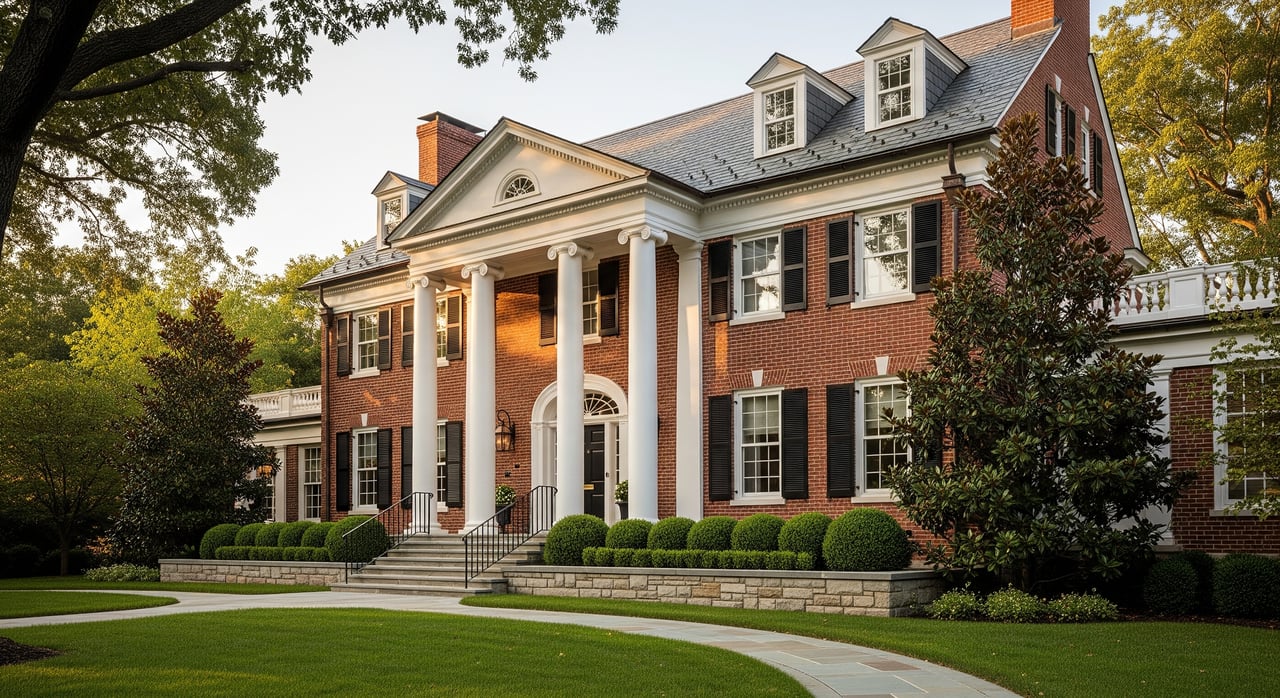
Pricing a historic home in Chevy Chase is not the same as pricing a newer property down the street. Your final sale price will reflect a balance of condition, architectural integrity, provenance, and the quality of any updates, all filtered through local preservation rules and buyer expectations. This guide shows you how those factors translate into dollars, how to price with confidence, and how to position your home to capture the strongest offers. Let’s dive in.
Why Chevy Chase historic homes price differently
Chevy Chase spans northwest Washington, DC and adjacent communities in Montgomery County, Maryland. Buyers value proximity to retail, parks, schools, and transit, and many are specifically looking for older homes with character. Because this area includes designated historic districts and individually significant properties, you need to understand how preservation rules, approvals, and documentation influence value and timing.
In DC, exterior changes to locally designated properties are typically reviewed by the Historic Preservation Office and the Historic Preservation Review Board. You can find guidance through the DC Historic Preservation Office. In Montgomery County, similar reviews may apply through the county’s preservation program; see Montgomery Planning’s historic preservation resources. National Register listing is honorary for private residences and generally does not restrict what you can do unless federal permits or funding are involved, as outlined by the National Register of Historic Places.
The four value drivers to price right
Condition: systems and structure
What to evaluate:
- Roof, flashing, gutters, and evidence of moisture intrusion.
- Foundation, framing, masonry repointing, and settlement indicators.
- Windows and doors, weatherproofing, and insulation.
- Mechanical systems: HVAC age and capacity, electrical service, plumbing materials.
- Interior finishes such as plaster, flooring, and staircases.
How it impacts price:
- Major deferred maintenance often forces steep discounts because buyers price in repairs and lenders flag issues during underwriting.
- Updated mechanicals broaden your buyer pool and reduce transaction friction, which can support a modest premium.
- Cosmetic wear is manageable, but structural or system failures are price determinative.
Pro tip: A pre-listing inspection lets you quantify cost-to-cure items so you can adjust price with confidence and avoid last-minute renegotiations.
Architectural integrity: original fabric and design
What to evaluate:
- Intact plan elements, period millwork and mantels, historic windows, porches, and rooflines.
- Degree of later alterations or loss of character-defining features.
- Rarity and style fit within Colonial Revival, Tudor Revival, Craftsman, and other period types common to Chevy Chase.
How it impacts price:
- Strong integrity tends to command a premium with buyers who value authenticity and coherent design.
- Unsympathetic alterations reduce appeal and can depress value relative to intact peers.
- Documented restorations that are well executed can outperform generic “updated” homes due to scarcity and credibility.
Provenance: the home’s documented story
What to evaluate:
- Original plans, architect attribution, construction dates, and historic photos.
- Notable past owners or inclusion in historic surveys.
How it impacts price:
- Well-documented provenance increases perceived value for certain buyers and can justify a higher ask when supported by condition and integrity.
- Provenance is additive, not a substitute for poor condition.
Sympathetic updates: modern comfort, historic feel
What qualifies as sympathetic:
- Reversible or low-impact improvements that retain visible historic fabric.
- Kitchens and baths that respect scale and materials while delivering modern function.
- Compatible additions set back from primary façades and thoughtful HVAC placements.
- Following principles in the Secretary of the Interior’s Standards for Rehabilitation when feasible.
How it impacts price:
- Homes that feel historic but live modern usually attract the broadest pool and support higher pricing.
- Incompatible high-end finishes can narrow the audience and risk over-improvement relative to neighborhood norms.
Step-by-step pricing framework
Do pre-listing due diligence
- Compile a history file: build date, architect, photos, permits, and any surveys that support provenance.
- Order a general inspection and bring in specialists as needed for structure, masonry, electrical, or environmental concerns.
- Verify whether the property is in a local historic district and what review timelines apply for exterior changes.
Select the right comparables
- Focus on 6 to 12 recent sales within the same micro-area and of similar era, style, lot, and usable square footage.
- Prefer comps from the last 6 to 12 months when possible; extend the window if activity is thin.
- Avoid new construction or speculative rebuilds unless you apply significant, defensible adjustments.
Convert condition and integrity to numbers
- Build a cost-to-cure estimate for major items and subtract the realistic near-term spend from target pricing if buyers will likely require repairs.
- Use a simple banding approach:
- Excellent condition plus high integrity and sympathetic systems supports top-tier comps and a potential premium.
- Good condition with moderate updates prices near median comps.
- Fair condition or notable deferred maintenance requires a discount and targets renovation-minded buyers.
- Unsafe or compromised conditions call for significant discounts and likely investor interest.
- Appraisers lean on comparable sales and adjust for condition and functional obsolescence. Having estimates ready makes your price defensible.
Choose a pricing posture
- Market-value positioning: anchor your price to comps that match your home’s integrity and systems net of cost-to-cure.
- Value-capture premium: if your home is a rare, intact example with documented provenance, test a premium backed by close-in comps and be prepared for a longer market time.
- Avoid pricing by emotion or by what restoration cost you. Buyers use neighborhood ceilings, not replacement cost, to benchmark value.
- Consider momentum and timing. In faster markets, pricing to invite competition can yield a premium; in slower periods, over-testing can increase days on market and hurt the final result.
Watch for over-improvement
- Signs include finishes or square footage far beyond top comps or specialized materials that limit buyer appeal.
- Mitigate by emphasizing system quality, maintenance, and reversible upgrades, and by documenting all work with permits and warranties.
Regulations, permits, and disclosures to plan for
- Local preservation review: Exterior changes to designated properties in DC are reviewed by the DC Historic Preservation Office. In Montgomery County, consult Montgomery Planning’s historic preservation program for review processes and timelines.
- National Register status: For private residences, National Register listing is generally honorary unless federal funds or permits are involved, per the National Register of Historic Places.
- Lead-based paint: Homes built before 1978 require federal lead disclosure for residential sales. Review requirements through the EPA’s lead resources.
- Other legacy systems: Asbestos, cast-iron or galvanized plumbing, and knob-and-tube wiring can affect financing and insurance. Plan either to address them pre-listing or price to reflect buyer concessions.
- Incentives and tax considerations: Federal rehabilitation credits typically apply to income-producing properties and certified projects. Discuss options with preservation staff and a tax professional, and review general guidance in the Secretary of the Interior’s Standards.
Buyer segments, financing, and appraisal
- Buyer profiles: In Chevy Chase, you will meet preservation-minded buyers who prize authenticity, move-in ready buyers who want historic charm with modern comfort, renovators seeking projects, and downsizers who prefer turnkey homes with low immediate maintenance.
- Financing dynamics: Lenders may require certain repairs before closing, especially for roofs, electrical, or safety items. Pricing that accounts for these realities helps deals stay together.
- Appraisal realities: Appraisers rely on nearby sales and require evidence to support significant premiums. An organized package of provenance, permits, and upgrade documentation helps your price appraise.
Listing toolkit to support your price
- Assemble:
- Property history and any architect attribution with photos and plans.
- Pre-listing inspection and cost-to-cure summary for major items.
- Maintenance and improvement log with dates and permits.
- Photo survey that highlights character-defining interior and exterior features.
- A plain-language summary of any applicable review process and expected timelines.
- Pre-list fixes that often pay off:
- Address roof leaks, faulty electrical, or major plumbing issues that could stall financing.
- Stabilize and refresh exterior elements that define character and curb appeal.
- De-clutter and stage to showcase period detail rather than cover it.
Position your home for a premium outcome
In a market where many buyers search online first, presentation is a strategic lever. Professional staging, finely tuned photography and video, and a narrative that documents provenance and sympathetic updates can expand your buyer pool and justify stronger offers. Pair that with a pricing strategy grounded in condition, integrity, and the right comps, and you put your historic Chevy Chase home in the best position to perform.
If you are weighing whether to repair, update, or sell as-is, get tailored guidance on pricing, presentation, and timing. For a private consultation and a data-backed opinion of value, connect with Jeff Lockard to Get a Complimentary Home Valuation.
FAQs
What drives higher prices for Chevy Chase historic homes?
- Strong condition, preserved period features, documented provenance, and sympathetic modern updates typically support higher pricing than similar-size homes without those attributes.
How do DC and Montgomery County rules affect renovations after purchase?
- Designated properties often require exterior review by the applicable preservation office, so timelines and allowable scopes of work can affect buyer plans and should be considered in pricing and marketing.
Does National Register listing restrict what I can change?
- For private residences, National Register status is generally honorary and does not restrict changes unless federal permits or funding are involved, according to the National Park Service.
Should I replace original windows before listing?
- Not automatically; original windows are a character-defining feature and, if repairable, can contribute to value, while wholesale replacement may reduce appeal to preservation-minded buyers.
Are there tax credits for renovating a primary residence?
- Federal rehabilitation credits typically apply to income-producing properties and certified projects, so consult preservation staff and a tax professional for options in your specific situation.
How does lead-based paint affect my sale?
- For homes built before 1978, you must provide federal lead disclosures, and any known risks can influence financing and buyer confidence, so plan for documentation and potential remediation discussions.